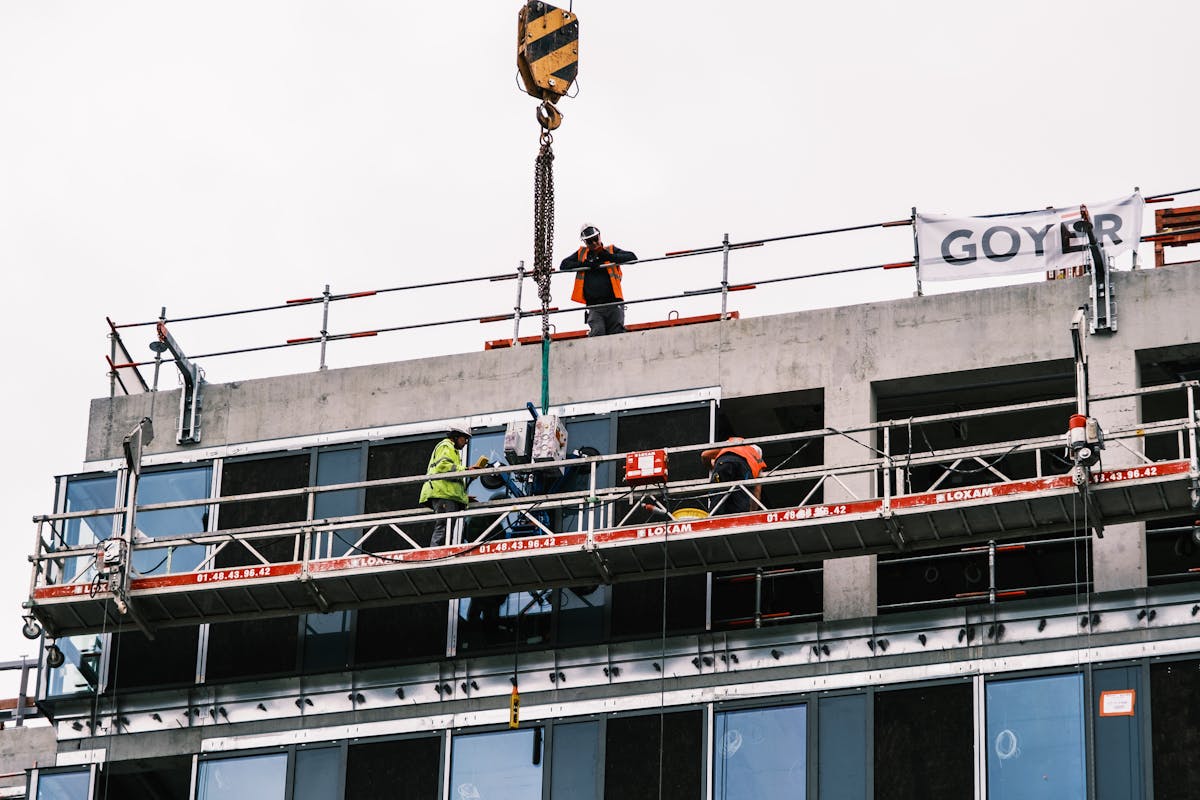
In factories, construction sites, warehouses, and logistics hubs across Romania, there is a shared challenge: the demand for skilled blue-collar labor continues to outpace supply.
From the clatter of machines in Argeș’s automotive plants to the steady hum of forklifts in Bucharest’s logistics centers, businesses rely on a workforce whose skills are essential yet increasingly scarce.
The blue-collar labor market in Romania has always been a backbone of the economy, but in 2026, it is under pressure from rising demand, demographic shifts, and global competition for talent.
This analysis examines the trends, sector growth, and labor patterns shaping Romania’s blue-collar workforce.
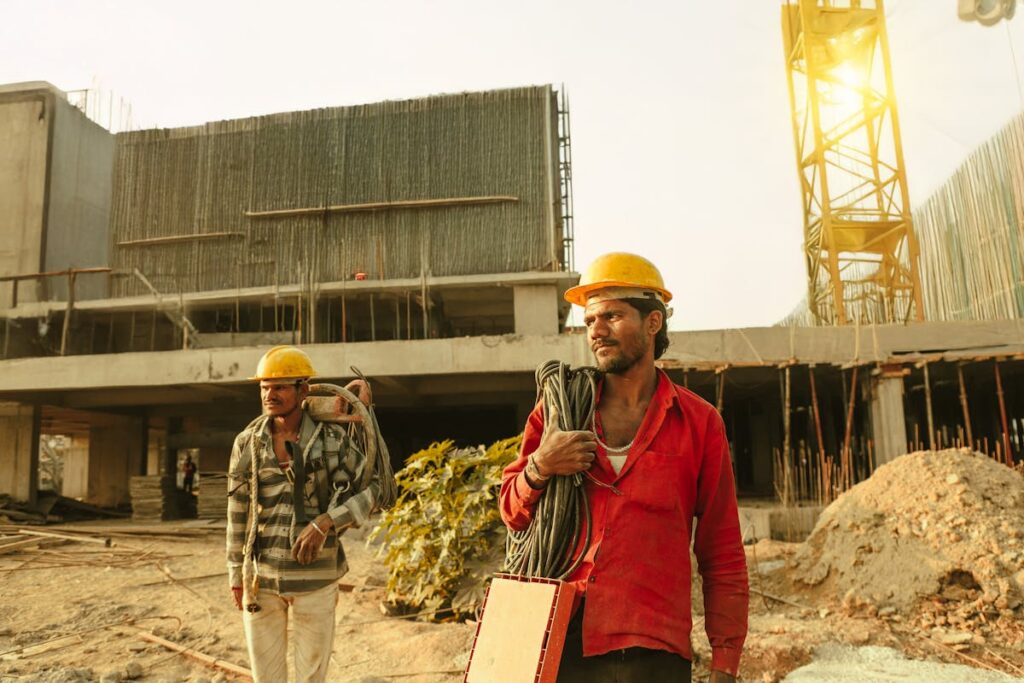
Defining the Blue-Collar Workforce
Blue-collar workers are typically defined as employees performing manual labor, skilled trades, or operational roles that do not require university-level education.
In Romania, this includes:
- Construction workers, masons, electricians, and plumbers
- Factory and production operators
- Warehouse staff, forklift operators, and logistics personnel
- Drivers, couriers, and delivery staff
- Service technicians in utilities and maintenance
These roles are critical to maintaining Romania’s industrial, infrastructure, and service sectors.
Total Workforce and Job Openings
As of Q1 2026, Romania’s labor market reports over 500,000 blue-collar job openings across various sectors.
Construction alone accounts for nearly 20% of these openings, reflecting ongoing infrastructure projects, urban development, and residential construction.
Manufacturing and industrial production contribute another 25%, particularly in automotive, electronics, and consumer goods plants.
Logistics and warehousing continue to expand, driven by e-commerce growth, accounting for 15–18% of open positions.
Other sectors such as energy, hospitality, and utilities make up the remaining share, each experiencing sporadic but significant demand for operational staff.
Construction: Persistent High Demand
The construction sector remains a dominant employer of blue-collar workers.
Projects include residential buildings, commercial facilities, road and bridge development, and industrial sites.
Electricians, plumbers, masons, and carpenters are in particularly high demand. Large-scale projects often require dozens of skilled workers simultaneously, highlighting the gap between labor needs and supply.
Wages for construction roles have increased 10–15% over the past year due to competition and shortages.
Seasonality affects hiring patterns, with peaks during spring and summer months and slower recruitment in winter.
Manufacturing and Industrial Roles
Romania’s manufacturing sector continues to employ large numbers of blue-collar workers.
Automotive plants in Dacia, Ford, and Continental rely heavily on assembly line operators, quality control staff, and machinery technicians.
Production operators in electronics, food processing, and consumer goods plants are also in strong demand. Companies often run multiple shifts to meet production targets, requiring continuous hiring.
This sector is increasingly reliant on semi-skilled labor, combining manual tasks with basic technical skills. Salary growth is moderate but steady, particularly for experienced operators.
Logistics and Warehousing
Logistics remains one of the fastest-growing sources of blue-collar employment.
Warehouse operators, packers, forklift drivers, and delivery staff are required to support e-commerce growth and international trade.
eMAG has expanded its fulfillment centers in Bucharest, Cluj, and Timișoara, creating hundreds of new operational roles.
Courier services and last-mile delivery providers, including Fan Courier and Sameday, are also hiring large numbers of drivers and warehouse staff.
The logistics sector reflects broader trends: rapid growth, high turnover, and a widening gap between demand and available workforce.
Wage Trends and Incentives
Wages for blue-collar workers in Romania have risen steadily in 2026 due to labor shortages.
Construction workers earn an average of €700–€1,200 net per month depending on skill level and experience.
Manufacturing operators typically earn €600–€1,000, while logistics and warehouse staff earn €650–€1,100. Specialized roles such as forklift operators or machinery technicians can command higher pay.
Many companies offer additional incentives: transport allowances, meal vouchers, overtime pay, and temporary bonuses to attract and retain staff.
Challenges in the Blue-Collar Labor Market
Despite rising demand, the labor market faces structural challenges.
Aging workforce: Many experienced workers are nearing retirement, leaving gaps in expertise.
Youth engagement: Fewer young people are entering blue-collar trades, often opting for office-based jobs or opportunities abroad.
Migration: Romanian workers frequently move to EU countries with higher pay and better benefits, exacerbating domestic shortages.
Training bottlenecks: Vocational schools and apprenticeships are insufficient to meet growing demand, creating a mismatch between skills and open positions.
These factors combine to create an ongoing challenge for employers, particularly those relying on large teams.
Regional Demand Hotspots
Certain counties are experiencing particularly high demand for blue-collar labor:
- Bucharest-Ilfov: logistics, construction, urban services
- Argeș, Dâmbovița: automotive and manufacturing plants
- Constanța: port logistics, construction, and tourism services
- Brașov, Cluj: industrial manufacturing, logistics, and construction
Understanding regional dynamics is essential for job seekers and recruiters alike.
Opportunities for Job Seekers
Despite challenges, the blue-collar market offers significant opportunities.
Entry-level positions are widely available with minimal experience requirements. Vocational training can increase earning potential and career mobility.
Experienced tradespeople can command higher salaries and bonuses.
The market also offers opportunities for career development into supervisory or technical specialist roles, particularly in manufacturing and logistics.
The Future Outlook
The blue-collar labor market in Romania will continue to experience strong demand in 2026 and beyond.
Construction, logistics, and manufacturing are projected to remain growth sectors, while industrial automation and technology may shift some roles toward semi-skilled work requiring technical competencies.
Addressing shortages will require investment in training, competitive compensation, and retention strategies.
Companies that successfully attract and retain blue-collar talent will be better positioned to expand operations and meet market demand.
Conclusion
Romania’s blue-collar labor market in 2026 is marked by growth, opportunity, and challenges.
From construction sites to warehouses and factories, demand outpaces supply, wages are rising, and employers are adapting through incentives, training, and strategic hiring.
For job seekers, this is a moment to enter a market with plentiful opportunities and upward mobility.
For employers, it is a call to innovate, invest in their workforce, and ensure that Romania’s economic backbone continues to function efficiently.
The blue-collar workforce remains vital, and how the country addresses labor gaps will determine the health of Romania’s industrial and service sectors in the years to come.