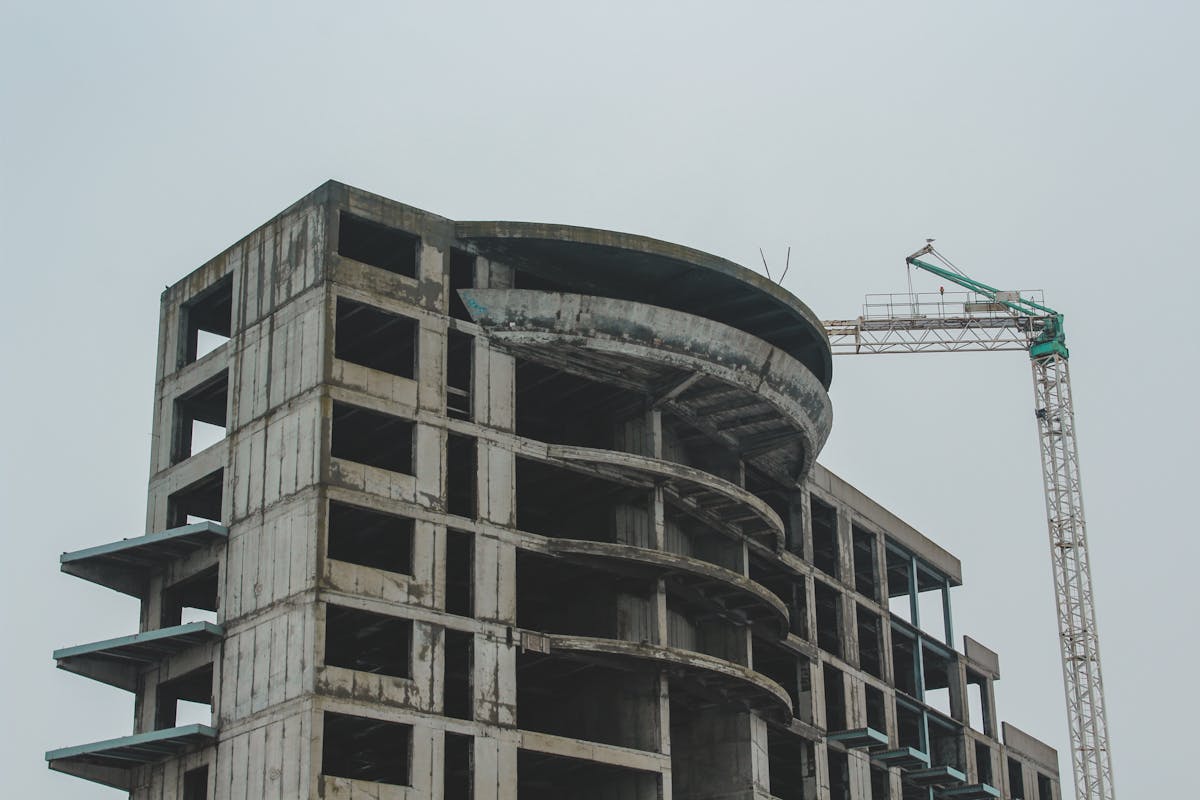
Romania’s construction sector in 2026 has over 3,000 active vacancies across core labour categories, including demolition, tiling, finishing, installation, masonry, and material processing roles.
This demand is not temporary or seasonal. It is structural and linked directly to national infrastructure investment cycles and long-term labour migration patterns.
Despite consistent hiring, many roles remain open for extended periods.

What the Vacancy Data Actually Shows
According to Romanian National Employment Agency (ANOFM data) for May 2026, there are 1,938 vacancies for construction labourers in demolition, tiling, flooring, and finishing, along with 1,000 vacancies for cutting and material breaking roles.
These numbers represent only part of the total construction labour demand, excluding plumbing, electrical work, masonry, and specialised installation roles.
When combined, the sector exceeds 3,000 active vacancies in a single reporting window.
Why Demand Is So High in Construction
The primary driver of construction demand is Romania’s PNRR programme, which channels EU recovery funds into large-scale infrastructure projects.
These include motorway expansions such as A7 and A8, hospital construction, school renovations, energy efficiency upgrades, and rural infrastructure development.
These projects require continuous labour input across multiple years rather than short-term bursts.
This creates stable but high-volume labour demand.
Why the Workforce Is Not Enough
Romania’s construction workforce has been reduced over time due to sustained emigration to Western Europe.
Countries such as Germany, Austria, and the UK have attracted large numbers of skilled Romanian construction workers with higher wages and more predictable long-term contracts.
This has reduced domestic labour supply significantly.
As a result, even when wages increase, hiring gaps persist.
Salary Pressure and Employer Competition
Construction salaries in Romania in 2026 range from 2,800 to 9,000 lei gross depending on role and skill level.
However, salary alone does not determine hiring success.
Employer type is a major factor.
PNRR-funded projects and multinational contractors consistently offer higher compensation due to larger budgets and stricter project timelines.
This creates competition between employers for the same limited labour pool, further increasing wage pressure in skilled segments.
Final Thoughts
Construction labour shortages in Romania in 2026 are structural and persistent.
With over 3,000+ vacancies and ongoing infrastructure expansion, demand continues to exceed supply across multiple roles.
The sector is stable, high-demand, and increasingly competitive on wages.
Also read: How Recruitment Agencies Like Tallenxis Fit Into Romania’s 2026 Labour Market Shift