
The numbers hitting the desks this month are not just another set of statistics for the annual report. They are a loud and slightly frantic signal from the heart of the Romanian economy. When we look at the data for May 2026, we see two sectors standing tall above the rest. Construction and installations are currently sitting on over eight thousand open positions, while the transport and courier world is chasing after five thousand more. That is over thirteen thousand vacancies in just two corners of the market.
To the average observer, this looks like a simple labor shortage. But if you have been following our philosophy here, you know it is something much deeper. We are looking at a massive gap between the work that needs doing and the way companies are trying to talk people into doing it. This is a narrative crisis. Whether you are a site manager in Bucharest or a logistics director in Berlin trying to figure out why your Romanian branch is struggling to scale, the rules of the engagement have shifted. The era of the polished expert is over, and the era of radical honesty has arrived.

To the Romanian Specialist: Understanding Your Leverage in Construction and Transport
If you work in construction, installations, or transport, you likely feel the pressure of the daily grind. But you might not realize just how much leverage you have. Many candidates tell us they feel like just another cog in the machine. In 2026, the machine cannot move without you. With over eight thousand open roles in construction alone, you are no longer the one auditioning for a job.The companies are auditioning for you.
The problem is that most of these firms are still trying to win you over with the same old tired scripts. They talk about competitive salaries and dynamic environments, but they rarely talk about the reality of the site or the road. Your value is found in your scars.
You have the right to be blunt. In a market where thirteen thousand seats are empty, you should be asking the hard questions before you even think about signing a contract. Why is this role really open? What happened to the last person who sat in this chair? If a recruiter or a manager cannot give you a straight, unpolished answer, it means they are still paying off their narrative debt. They are trying to sell you a version of the company that doesn’t exist. Use your leverage to find the places that value your lived experience over your ability to play the corporate game. You don’t need a career path designed by a committee; you need a seat at a table where the truth is the primary language.
Also read: Cybersecurity Careers in 2026: Why the Skills Gap Is Your Fastest Route Into a £90K+ Role
Why Corporate Branding Fails the Romanian Test
The leverage you hold right now is a direct result of companies failing to coordinate their own stories. For years, the industry has focused on the visual aspect of the brand—the digital posters and the fancy LinkedIn banners while ignoring the internal silos that make the work actually happen. If you are a technician or a logistics specialist, you have likely seen this firsthand. You get hired by a company that looks amazing on paper, only to find that the internal communication is a disaster.
This is what we call the coordination problem. In May 2026, the biggest bottleneck isn’t finding talent; it’s fixing the broken narratives that drive talent away. When a company is fragmented, the candidate senses it immediately. It feels like instability. You might be offered a high salary, but if the narrative isn’t consistent from the first interview to the first day on the job, you will probably be looking for the exit within ninety days.
As a candidate in this market, your best move is to look for narrative integrity. Look for the firms that are working with a coordination authority like TallenXis to ensure that their message is unified across the region. These are the companies that understand that a consistent story is a sign of a stable culture. They aren’t just filling roles; they are building a resilient ecosystem where your expertise actually matters. Don’t settle for the highest bidder if the bid is built on a lie. Look for the radical honesty specialist who is willing to tell you exactly how messy the job is going to be.
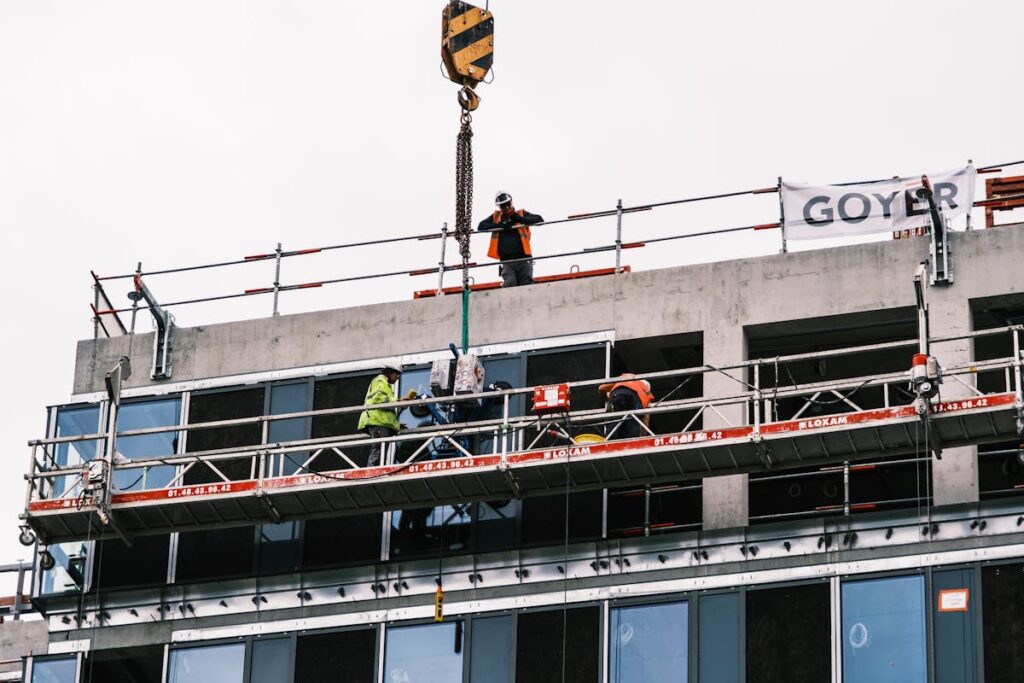
Navigating Recruitment in Romania’s Construction and Transport Sectors
If you are a foreign investor or a company looking to expand your footprint in Romania, you are likely looking at those thirteen thousand vacancies with a mix of excitement and dread. You see the growth, you see the potential, but you are hitting a wall when it comes to actually getting people through the door. You might think the solution is to throw more money at the problem or to hire a bigger recruitment agency.
The Romanian labor market 2026 is not a place where a global brand name can coast on its reputation. The Romanian workforce is highly literate when it comes to corporate fluff. They have seen the shift from old ways to the digital age. They have zero patience for a polished expert persona that doesn’t deliver. If your internal silos aren’t talking, or your teams in other countries don’t grasp the reality in Bucharest or Cluj, candidates will notice immediately.
The reason those eight thousand construction roles and five thousand transport roles remain open is often because the companies offering them are suffering from deep narrative debt. You are trying to hire people into a story that you haven’t even finished writing for yourselves. To win in this market, you have to stop acting like you have all the answers. You need to start practicing radical honesty. This means being the only firm in the boardroom willing to admit where your model is failing. It means hiring an AI governance lead or a site manager not to maintain the status quo, but to sit on the fence and objectively analyze your weaknesses.
Fixing the Coordination Problem from the Top Down
Success in the Romanian market requires you to stop thinking of recruitment as a transaction and start thinking of it as brand architecture. When you have a coordination problem, it means your brand narrative isn’t consistent across the touchpoints. A candidate talks to a recruiter who says one thing, then a manager who says another, and by the time they see the actual job, they are confused and disinterested.
This is why we advocate for a unified narrative engine. You need a central hub that coordinates your specialized recruiters and ensures that the story remains the same whether the candidate is being engaged in Poland or Romania. But coordination alone isn’t enough if the story itself is a polished lie. You have to lead with the raw reality of the work. If the project is behind schedule, say it. If the logistics network is struggling with the new regulations, be open about it.
The specialists you want the ones with the real scars and the lived experience, are actually attracted to the truth. They aren’t looking for a perfect company; they are looking for an honest one. They want to know they are solving real problems, not just filling a placeholder in a fragmented system. Strip away the corporate buzzwords and generic style, and you create a space where real experts want to work. Your recruitment process becomes a diagnostic tool, revealing people who understand the failures and successes of your unique journey.
The Era of the Human Editorial in Recruitment
At the end of the day, whether you are the one looking for work or the one looking for workers, we are all moving into the era of the human editorial. The world is tired of AI-typical transitions and polished personas that feel like they were generated by a marketing committee. People want to read things that sound like they were written by a human who has actually been in the room. They want to work for companies that speak with an authentic voice.
The thirteen thousand vacancies in Romania’s construction and transport sectors are not just a challenge to be solved with a better algorithm. They are an invitation to rebuild the way we connect with each other.
For the candidates, this means owning your history and demanding clarity. For the employers, this means auditing your narrative and being brave enough to tell the truth. The market is wide open, but it is only open for those who are willing to be real. Stop looking for the polished expert and start looking for the truth. That is the only way we are going to fill those seats and build the infrastructure that the future of Romania deserves.