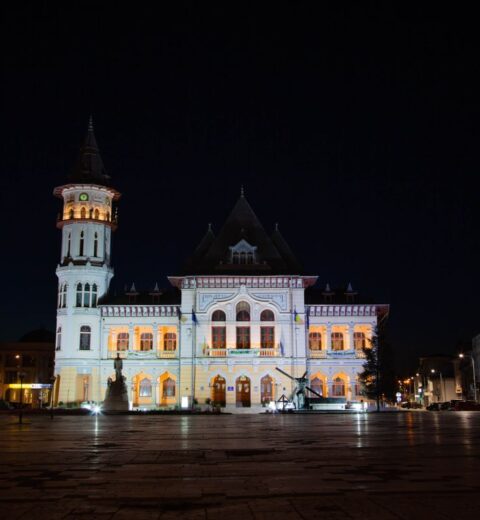
On a summer evening in Constanța, a restaurant fills up faster than the staff can keep up. Tables turn over quickly, orders stack up in the kitchen, and managers quietly make calls to find extra workers.
Hundreds of kilometers away in Bucharest, a hotel prepares for another fully booked week. Rooms are ready, guests are arriving, but behind the scenes, there is a constant challenge: not enough staff.
This is the reality of Romania’s hospitality sector in 2026. Demand is strong, tourism is growing, and businesses are expanding. Yet hiring has become one of the biggest challenges the industry faces.
Restaurants and hotels are no longer just competing for customers. They are competing for workers.
A Sector Growing Faster Than Its Workforce
Romania’s hospitality industry is experiencing steady growth. The market is valued at over $2.6 billion in 2026 and continues to expand, driven by tourism, domestic travel, and international visitors.
Tourism numbers reinforce this trend. Romania recorded over 14 million arrivals in accommodation units, with both domestic and international travel contributing to demand.
Hotels are seeing record levels of overnight stays, with 2025 marking the highest levels in decades.
This growth translates directly into hiring demand. More guests mean more rooms to clean, more meals to prepare, and more services to deliver.
Yet the workforce is not growing at the same pace.

A Workforce Under Pressure
The hospitality sector in Romania employs over 190,000 people, making it a major contributor to the service economy.
However, there is a critical gap. The industry is facing a shortage of around 50,000 workers, one of the largest labor deficits in the country.
This shortage affects nearly every role, from entry-level positions to experienced management jobs.
Restaurants struggle to find chefs, waiters, and kitchen staff. Hotels face shortages of receptionists, housekeeping staff, and maintenance workers.
The result is a constant cycle of hiring, where positions are filled temporarily but rarely stay filled for long.
Restaurants: High Demand, High Turnover
The restaurant sector is one of the most dynamic parts of hospitality, but also one of the most challenging in terms of hiring.
Restaurants operate in a fast-paced environment where staffing needs can change daily. Demand fluctuates based on season, location, and customer traffic, requiring flexible and responsive hiring strategies.
Roles such as waiters, bartenders, and kitchen assistants are always in demand. These positions are often entry-level, making them accessible, but they also come with high turnover rates.
Working hours, physical demands, and pressure during peak times contribute to employee burnout. Many workers leave the sector after short periods, creating a continuous need for recruitment.
At the same time, experienced chefs are among the hardest roles to fill. Skilled professionals are in short supply, and many choose to work abroad where salaries are higher.
Hotels: Stability Meets Shortage
Hotels offer a more structured work environment compared to restaurants, but they face similar hiring challenges.
Roles in hotels range from front desk staff and housekeeping to management and specialized positions such as revenue analysts.
Despite this diversity, the shortage of workers affects all levels. Housekeeping roles are particularly difficult to fill, as they involve physically demanding work and often lower wages.
Front office positions require language skills and customer service experience, limiting the available candidate pool.
Even management roles are impacted, as experienced professionals are increasingly mobile and open to opportunities abroad.
The result is a sector where stability exists in operations, but not in staffing.

The Role of Seasonality
One of the defining characteristics of hospitality employment in Romania is seasonality.
Coastal regions such as Constanța experience intense hiring during the summer months, when tourism peaks. Similarly, mountain regions like Brașov see increased demand during winter.
This creates a cycle where businesses hire large numbers of workers for short periods, only to reduce staff during off-season months.
Seasonality makes it difficult to build a stable workforce. Many workers prefer year-round employment, leading them to leave the sector or seek opportunities abroad.
For employers, this means restarting the hiring process every season, adding to the overall challenge.
Foreign Workers Filling the Gap
As local labor shortages persist, restaurants and hotels are increasingly turning to foreign workers.
By recent estimates, tens of thousands of non-EU workers are employed in Romania’s hospitality sector, with numbers continuing to grow.
Workers from countries such as Nepal, Sri Lanka, and the Philippines are now a common presence in restaurants and hotels across Romania.
These workers help fill critical gaps, particularly in entry-level and operational roles. However, their integration requires additional effort, including training, language support, and administrative processes.
Despite these challenges, foreign labor has become an essential part of the hospitality workforce.
Why Hiring Remains Difficult
Several factors contribute to the ongoing hiring challenges in Romania’s hospitality sector.
Wages are one of the main issues. On average, salaries in hospitality are about 25 percent lower than the national average, making it less attractive compared to other industries.
Working conditions also play a role. Long hours, weekend shifts, and physically demanding tasks can deter potential candidates.
Migration continues to impact the workforce, as many Romanian workers choose to work abroad in countries where pay and conditions are more favorable.
Education trends are another factor. The number of hospitality graduates has decreased in recent years, reducing the pipeline of trained professionals entering the industry.
Together, these factors create a perfect storm of high demand and limited supply.
Technology and Changing Roles
Technology is beginning to reshape hiring in the hospitality sector.
Hotels are increasingly adopting digital tools such as property management systems, online booking platforms, and AI-driven customer service solutions.
While these technologies improve efficiency, they do not eliminate the need for human workers. Instead, they change the nature of roles, requiring employees to develop new skills.
In restaurants, digital ordering systems and delivery platforms are also influencing operations, creating new types of jobs while transforming existing ones.
This shift highlights the importance of adaptability for workers entering the sector.
What This Means for Job Seekers
For job seekers, the hospitality sector offers both opportunity and challenge.
The high demand for workers means that jobs are widely available, often with quick hiring processes and minimal entry requirements.
However, candidates should be aware of the realities of the work, including long hours, physical demands, and seasonal fluctuations.
For those willing to commit and develop their skills, hospitality can offer career progression, particularly in management and specialized roles.
Language skills, customer service abilities, and adaptability are key advantages in this sector.
The Future of Hospitality Hiring in Romania
Looking ahead, hiring demand in restaurants and hotels is expected to remain strong.
Tourism growth, investment in infrastructure, and increasing international visibility will continue to drive the sector forward.
At the same time, labor shortages are likely to persist, requiring ongoing reliance on foreign workers, improved working conditions, and investment in training.
Employers who can adapt to these challenges will have a significant advantage in attracting and retaining talent.
Conclusion
The hospitality sector in Romania in 2026 is a story of growth and imbalance.
On one hand, tourism is thriving, businesses are expanding, and demand for services is increasing. On the other, a significant labor shortage is making it difficult to meet that demand.
Restaurants and hotels are at the center of this dynamic, constantly hiring yet struggling to build stable teams.
For job seekers, this creates a market full of opportunities. For employers, it represents one of the most pressing challenges in the Romanian economy.
And for the industry as a whole, it marks a turning point. The future of hospitality in Romania will not be defined only by how many guests it attracts, but by how effectively it can attract and retain the people who serve them.