If there is one sector in Romania that never seems to slow down, it is logistics. While other industries expand cautiously, logistics continues to accelerate, quietly becoming one of the largest sources of employment in the country.
In 2026, this growth is impossible to ignore. Job platforms are filled with listings for drivers, warehouse workers, and couriers. Positions are not only numerous, they are persistent, often remaining open for weeks or months.
What makes this even more striking is that logistics is no longer just a support function operating behind the scenes. It has become a central pillar of the modern economy, connecting businesses, consumers, and entire supply chains.
The explosion of logistics jobs in Romania is not a coincidence. It is the result of deep structural changes in how goods are produced, sold, and delivered.
The Rise of a Logistics-Driven Economy
Romania’s logistics boom is closely tied to broader economic trends. The growth of e-commerce has transformed consumer expectations. People no longer wait days or weeks for deliveries. They expect speed, reliability, and transparency.
This shift has forced companies to rethink how they move goods. Warehouses have expanded, delivery networks have grown more complex, and transportation systems have become more dynamic.
Romania’s geographic position has also played a key role. Located at the crossroads between Eastern and Western Europe, the country has become an important hub for regional trade. Goods flow through Romania to reach markets across the continent, increasing the need for logistics infrastructure and workforce.
At the same time, investment in highways, industrial parks, and distribution centers has strengthened the country’s logistics capabilities, making it an attractive destination for international companies.
All of these factors combine to create a simple outcome: more goods moving means more people needed to move them.

Drivers: The Backbone of the Logistics Boom
At the center of this expansion are drivers. Without them, the entire logistics system would come to a halt.
In 2026, drivers are among the most in-demand workers in Romania. Job postings for truck drivers, delivery drivers, and transport operators appear continuously across recruitment platforms. These roles are not just numerous; they are difficult to fill.
The demand is driven by both domestic and international transport. Companies need drivers to move goods within Romania as well as across European borders. This creates a constant need for qualified professionals who can handle long distances, tight schedules, and regulatory requirements.
However, the supply of drivers has not kept pace with demand. Many experienced drivers choose to work in Western Europe, where salaries are higher. Others are discouraged by the long hours and time spent away from home.
As a result, companies are offering higher wages, bonuses, and improved conditions to attract and retain drivers. Some are even recruiting internationally to fill gaps in their workforce.
The role of drivers has become more complex as well. Modern logistics requires not just driving skills, but also familiarity with digital systems, tracking tools, and compliance regulations.
Despite these challenges, drivers remain the backbone of the logistics industry, and their importance is only growing.
Also read: The Next Big Tech Career Opportunity Is Not a Product Role or an Engineering Role.
Warehouse Workers: The Engine Behind Every Delivery
If drivers are the face of logistics on the road, warehouse workers are the engine behind the scenes.
Every package that reaches a customer has passed through a warehouse at some point. These facilities have become increasingly sophisticated, handling large volumes of goods with speed and precision.
In Romania, the expansion of warehouses and fulfillment centers has created a surge in demand for workers. Roles include picking and packing, inventory management, quality control, and equipment operation.
The growth of e-commerce has been particularly influential. Online retailers require efficient warehouses to process orders quickly, leading to the development of large-scale distribution centers across the country.
However, warehouse jobs come with their own challenges. The work can be physically demanding, often involving repetitive tasks and shift schedules. This contributes to high turnover rates, which in turn leads to continuous hiring.
To address these issues, companies are investing in better working conditions, automation, and training programs. Technology is also playing a role, with systems designed to improve efficiency and reduce physical strain.
Despite these improvements, the demand for warehouse workers remains high, reflecting the central role they play in the logistics ecosystem.
Couriers: The Last Mile Revolution
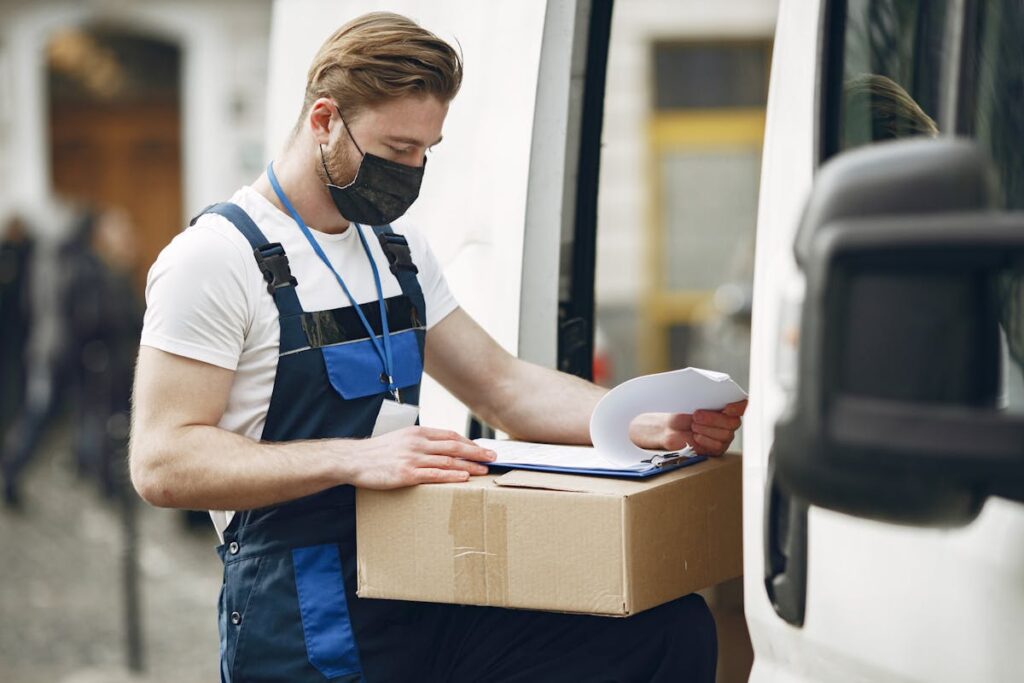
Perhaps the most visible symbol of the logistics boom is the courier.
In cities across Romania, delivery vehicles and bikes have become a constant presence, reflecting the rapid growth of last-mile delivery services. This is the final step in the logistics chain, where goods are delivered directly to customers.
The rise of online shopping, food delivery, and same-day services has transformed the courier role into one of the fastest-growing job categories in the country.
Couriers are needed not only for traditional parcel delivery but also for groceries, restaurant orders, and specialized services. This diversity has expanded opportunities for workers, including flexible and part-time roles.
However, the job also comes with challenges. Time pressure, traffic conditions, and customer expectations can make the role demanding.
Despite this, many workers are attracted to the flexibility and earning potential, particularly in urban areas. Companies are also experimenting with new models, including gig work and platform-based delivery systems, to meet growing demand.
The courier role represents the final link between businesses and customers, making it one of the most critical components of the logistics industry.
Why Demand Keeps Growing
The explosion of logistics jobs in Romania is not a temporary trend. It is driven by long-term changes that continue to shape the economy.
E-commerce is expected to keep growing, increasing the volume of goods that need to be stored and delivered. Consumer expectations for speed and convenience are unlikely to decrease.
Global trade and regional integration will also sustain demand for transportation and distribution services. Romania’s strategic location ensures that it will remain a key player in European supply chains.
At the same time, businesses are becoming more dependent on efficient logistics to remain competitive. Delays, inefficiencies, or disruptions can have significant consequences, making logistics a top priority for companies across industries.
Challenges Behind the Growth
While the sector is expanding rapidly, it is not without challenges.
Labor shortages remain a major issue, particularly for drivers and warehouse workers. High turnover rates and demanding working conditions make it difficult to maintain a stable workforce.
Cost pressures are also increasing. Higher wages, fuel prices, and infrastructure investments all contribute to rising expenses for logistics companies.
Technology presents both opportunities and challenges. Automation can improve efficiency, but it also requires investment and new skills.
Despite these challenges, the overall trajectory of the sector remains positive, with strong demand continuing to drive job creation.
What This Means for Job Seekers
For job seekers, the logistics boom represents one of the most accessible and dynamic areas of the Romanian job market.
These roles often require minimal formal education, making them accessible to a wide range of candidates. At the same time, there are opportunities for advancement into supervisory, technical, and management positions.
The sector also offers stability. As long as goods need to be moved, logistics jobs will remain essential.
However, candidates should be prepared for the demands of the work, including physical effort, time pressure, and the need for reliability.
For those willing to adapt and develop their skills, logistics offers a clear pathway to employment and career growth.
Conclusion
The explosion of logistics jobs in Romania in 2026 is the result of powerful economic and technological forces. From drivers and warehouse workers to couriers, these roles form the backbone of a system that keeps businesses running and consumers satisfied.
What was once a background function has become a central pillar of the economy, creating opportunities across the country.
As demand continues to grow, logistics will remain one of the most important and accessible sectors in Romania’s job market. For companies, it represents both an opportunity and a challenge. For workers, it offers a gateway into a rapidly evolving industry.
In the end, every package delivered tells the same story: behind it is a network of people, and that network is growing faster than ever.
Also read: Finance Recruitment in 2026 Is Not One Market. Here Is the One CFOs Are Actually Struggling With.